Celebration of World Emoji Day at Nelson's School with our Students filled with Art, Activity and Fun Emotions
In today's digital world, emojis have become a universal language of emotions, helping people express feelings with just a simple smile, heart, or thumbs-up. While children naturally communicate through facial expressions, gestures, and emotions, World Emoji Day, celebrated every year on 17th July, offers a wonderful opportunity to help young learners understand and express their feelings in a fun, creative, and meaningful way.
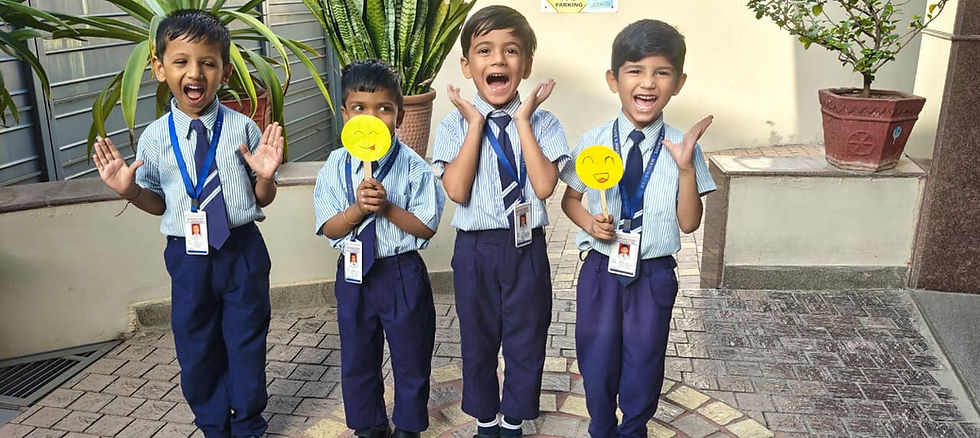
Why is celebrating World Emoji Day at Nelson's School necessary ?
World Emoji Day is celebrated every year on 17th July to recognize the important role emojis play in modern communication. Emojis help people express happiness, excitement, surprise, gratitude, love, sadness, and countless other emotions quickly and effectively. For young children, understanding emotions is an essential part of early childhood development. Learning to identify facial expressions and express feelings helps children build empathy, confidence, kindness, and stronger relationships with family, friends, and teachers.
At Nelson's School, the World Emoji Day celebration introduced children to the importance of recognizing emotions while teaching them that every feeling is valuable and should be expressed with honesty, kindness, and respect. More than just a fun celebration, the event beautifully reflected our commitment to nurturing every child's emotional, social, creative, and cognitive development through engaging and interactive learning experiences.

Celebration Filled with Smiles and Colorful Emojis
The entire school campus came alive with cheerful emoji decorations, colorful displays, bright balloons, smiling faces, and vibrant classroom activities. Large emoji cut-outs, creative artwork, and beautifully decorated learning spaces instantly filled the atmosphere with positivity and excitement.
The young students arrived dressed in bright, colorful outfits that perfectly matched the joyful spirit of the celebration. Their cheerful smiles became the most beautiful emojis of the day as they eagerly participated in every activity. The celebration reminded everyone that a genuine smile is the happiest emoji anyone can wear.

Fun Emoji Activities That Inspired Learning
The highlight of the World Emoji Day Celebration was the variety of engaging activities specially designed for preschool children. The little learners enthusiastically participated in:
Emoji face coloring activities
Paper plate emoji craft
"Guess the Emotion" games
Emoji matching activities
Emotion recognition exercises
Smile-making art projects
Classroom discussions about feelings
Fun photo sessions with emoji props
As children created happy, sad, surprised, excited, sleepy, and laughing emojis, they learned to recognize different facial expressions while understanding that everyone experiences different emotions every day. These interactive Traditional Activities transformed emotional learning into an exciting adventure that children thoroughly enjoyed.

Learning to Express Feelings with Confidence
One of the most valuable lessons of the day was helping children understand that expressing emotions is healthy and important. Teachers encouraged students to share moments when they felt happy, excited, thankful, nervous, or proud. Through storytelling, conversations, and playful interactions, children learned that talking about their feelings helps build trust, friendship, and confidence.
Activities based on emotional awareness helped students develop:
Self-expression
Communication skills
Emotional intelligence
Active listening
Empathy
Respect for others' feelings
Positive social interaction
These experiences play a vital role in nurturing emotionally strong and confident children during their early years.

Building Social and Emotional Skills Through Play
Early childhood education is not only about learning letters and numbers—it is also about learning to understand ourselves and others.
Celebrations like World Emoji Day help children naturally develop important life skills, including:
Kindness and compassion
Friendship and cooperation
Confidence and self-esteem
Gratitude and positivity
Respect and empathy
Communication and teamwork
Creativity and imagination
Emotional resilience
When children recognize emotions in themselves and others, they become better listeners, thoughtful friends, and caring individuals.
These joyful experiences contribute significantly to children's emotional, social, and personal growth while making learning both meaningful and enjoyable.

Lets Encourage others to express and Feel the Emotion Confidently
Emotions are the natural feelings we experience in response to what happens within us. They help us understand ourselves, communicate with others, make decisions, build relationships, and respond appropriately to different situations. Every human being—from a newborn baby to an adult—experiences emotions every day.
Emotions are the mind and body's way of telling us how we feel about a person, event, or situation.
Emotions influence our actions. Expressing emotions is not a sign of weakness—it is an essential part of healthy emotional development. When people communicate their feelings appropriately, they are better able to understand themselves and connect with others. People cannot understand how we feel unless we communicate it. Expressing emotions helps build trust, empathy, and stronger relationships. Healthy communication reduces conflicts and increases understanding. Emotions are a natural and essential part of being human. They guide our thoughts, influence our actions, and help us connect with others. Learning to recognize and express emotions in healthy ways is one of the most important life skills a child can develop.
At Nelson's School, activities such as World Emoji Day go beyond fun and creativity. They provide meaningful opportunities for children to understand their feelings, communicate confidently, build empathy, and develop emotional intelligence—skills that support their well-being, relationships, and success throughout life.


