Lets Build and Inspire the Students of Nelson's School to have Healthy Habits this Global Handwashing Day
Global Handwashing Day 2026, observed on 15 October, reminds us that one of the simplest daily habits can make a meaningful difference in protecting our health. Washing our hands with soap and clean water is more than just a routine; it is an essential step towards personal hygiene, disease prevention, and a healthier life.
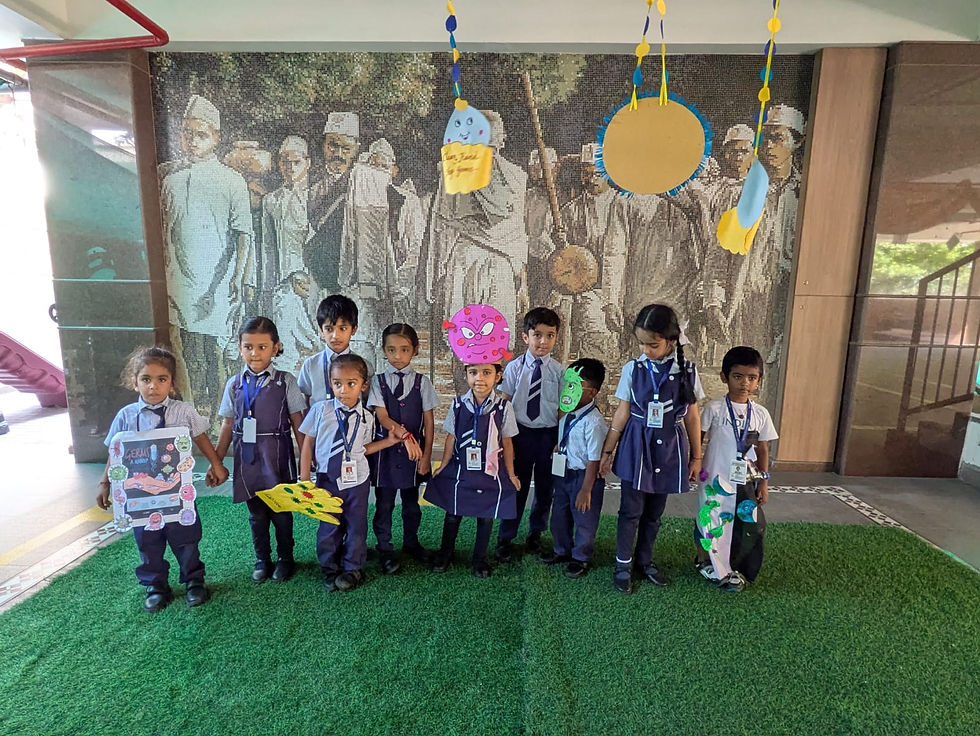
At Nelson’s School, the celebration of Global Handwashing Day focused on helping children understand the importance of cleanliness, proper handwashing techniques, hand sanitization, and responsible waste disposal. Through these valuable learning experiences, children discovered how small actions practised every day can contribute to a healthier home, a cleaner school, and a better environment. Guided by the meaningful theme “Healthy Earth, Healthy Us,” the celebration encouraged young learners to develop healthy habits and understand their responsibility towards both personal well-being and environmental cleanliness.

Why is it Importance to Understand Global Handwashing Day at Nelson's School
Global Handwashing Day is observed every year to raise awareness about the importance of handwashing with soap and clean water. It encourages individuals, families, schools, and communities to make proper hand hygiene a regular part of everyday life.
For young children, learning about hygiene at an early age is especially important. Children explore the world through play, touch different objects, interact with their friends, and participate in various activities throughout the day. During these experiences, germs can transfer to their hands without being visible.
At Nelson’s School, children learned that clean hands help protect their health and that regular handwashing is an important habit to practise at school and at home. The celebration made hygiene education meaningful by connecting simple daily routines with the larger goal of staying healthy and preventing the spread of infections.

Steps to Follow for Handwashing to Keep your Hygiene Clean and Gut Healthy
One of the most important lessons of Global Handwashing Day is understanding how to wash hands correctly. Simply rinsing hands with water may not remove all the dirt and germs effectively. Using soap and following the proper steps helps make handwashing more effective.
Children learned the importance of following these essential steps:
Wet the hands: Begin by wetting both hands with clean, running water.
Apply soap: Use enough soap to cover the hands properly.
Rub the palms: Rub both palms together to create a lather.
Clean the backs of the hands: Rub the back of each hand carefully.
Clean between the fingers: Interlace the fingers to clean the spaces between them.
Clean the thumbs and fingertips: Pay attention to the thumbs, fingertips, and areas around the nails.
Rinse thoroughly: Wash away the soap with clean, running water.
Dry the hands: Dry the hands properly using a clean towel or another suitable drying method.
Children were encouraged to remember that proper handwashing should last about 20 seconds of scrubbing with soap. These simple steps help children understand that personal hygiene requires care and attention. By making handwashing a regular habit, young learners can take an active role in protecting their health and developing greater independence.

Why Is Washing Hands Before Eating Necessary
One of the most important healthy habits children can develop is washing their hands before every meal and snack. Our hands touch many surfaces throughout the day, including toys, desks, books, playground equipment, and other objects. Dirt and germs can transfer from these surfaces to our hands and then onto the food we eat.
Children learned why washing hands before eating is an essential part of personal hygiene. This simple practice helps reduce the transfer of harmful germs and supports the prevention of infections that can spread through contaminated hands and food.
Handwashing is equally important after using the toilet, after playing outdoors, after coughing or sneezing into the hands, and whenever hands become visibly dirty.
By understanding the reasons behind these practices, children can move beyond simply following instructions and begin developing a lifelong habit of making healthy choices.
Children were encouraged to understand that every individual has a role to play in maintaining cleanliness. Simple actions, such as using a dustbin, keeping belongings tidy, and respecting shared spaces, can make a positive difference. These habits also nurture important values such as responsibility, discipline, cooperation, and respect for nature.
Understanding Hand Sanitization and Personal Hygiene
Maintaining clean hands is an important part of staying healthy, especially in environments where children learn, play, and interact with others.
During their hygiene learning, children were introduced to the importance of hand sanitization as another way to maintain hand hygiene when soap and water are not readily available.
An alcohol-based hand sanitizer containing at least 60% alcohol can be useful when hands are not visibly dirty or greasy. However, soap and clean water remain the preferred choice when hands are visibly dirty. Young children should use hand sanitizer under adult supervision, and the product must always be stored safely away from their reach.
Learning about handwashing and hand sanitization helps children understand that cleanliness is not limited to one activity. It involves making thoughtful choices throughout the day and following good hygiene practices consistently.

Healthy Earth, Healthy Us: Connecting Hygiene with Environmental Awareness
The theme “Healthy Earth, Healthy Us” beautifully expresses the connection between our health and the environment around us. A clean environment supports healthier communities, while responsible personal hygiene helps protect individuals from preventable infections. Both are essential for creating safe and pleasant spaces in which children can grow, learn, and thrive.
When children wash their hands regularly, dispose of waste properly, avoid littering, and keep their surroundings clean, they learn that their daily choices matter.
A healthy environment begins with small acts of responsibility. Every child can contribute by using water thoughtfully, keeping shared spaces clean, putting waste in the appropriate bins, and practicing good hygiene.
These simple lessons help children develop environmental awareness from an early age. They also encourage young learners to understand that caring for themselves and caring for the planet are connected responsibilities. Through the message “Healthy Earth, Healthy Us,” children can learn that even the smallest positive action can contribute to a cleaner and healthier future.

Why it is Necessary to Develop Healthy Habits from Childhood
Childhood is an important stage for developing habits that can last a lifetime. When children learn about hygiene in a supportive and engaging environment, they become more aware of their personal well-being and the needs of others. Parents and teachers play an important role in reinforcing these lessons. Encouraging children to wash their hands before meals, follow proper hygiene routines, use garbage bins, and maintain cleanliness helps turn knowledge into everyday practice.
Consistency is the key to building these habits. When children practise healthy routines regularly at school and at home, they gradually become more confident and responsible in managing their personal hygiene. Hygiene education also teaches children to care about their friends, family members, and wider community. By reducing the spread of germs and respecting shared spaces, children learn how their actions can contribute to the well-being of others.
This lesson helped reinforce the importance of keeping classrooms, homes, playgrounds, and public spaces clean. When waste is disposed of responsibly, it helps prevent littering, reduces opportunities for pests to gather, and contributes to a more pleasant environment.

A Meaningful Learning Experience at Nelson’s School
The Global Handwashing Day 2026 celebration at Nelson’s School highlighted an important message: healthy habits begin with small actions practiced every day.
From learning the proper steps of handwashing to understanding hand sanitization, washing hands before eating, and disposing of waste responsibly, children explored practical ways to protect their health and maintain cleanliness.
The theme “Healthy Earth, Healthy Us” further strengthened the message that personal hygiene and environmental responsibility are both essential for a better future.
At Nelson’s School, education goes beyond academic learning. It also involves nurturing responsible individuals who understand the value of health, cleanliness, discipline, and care for their surroundings.
As we celebrate Global Handwashing Day, let us encourage every child to make handwashing a daily habit, keep their surroundings clean, and take pride in making responsible choices.
Clean hands, clean surroundings, and healthy habits can help build a brighter tomorrow. Together, let us create a world where every child grows with the knowledge and confidence to care for themselves, their community, and our beautiful planet.
Healthy Earth, Healthy Us!