Spreading Happiness, Kindness, Joy and Smiles at Nelson's School on World Smile Day
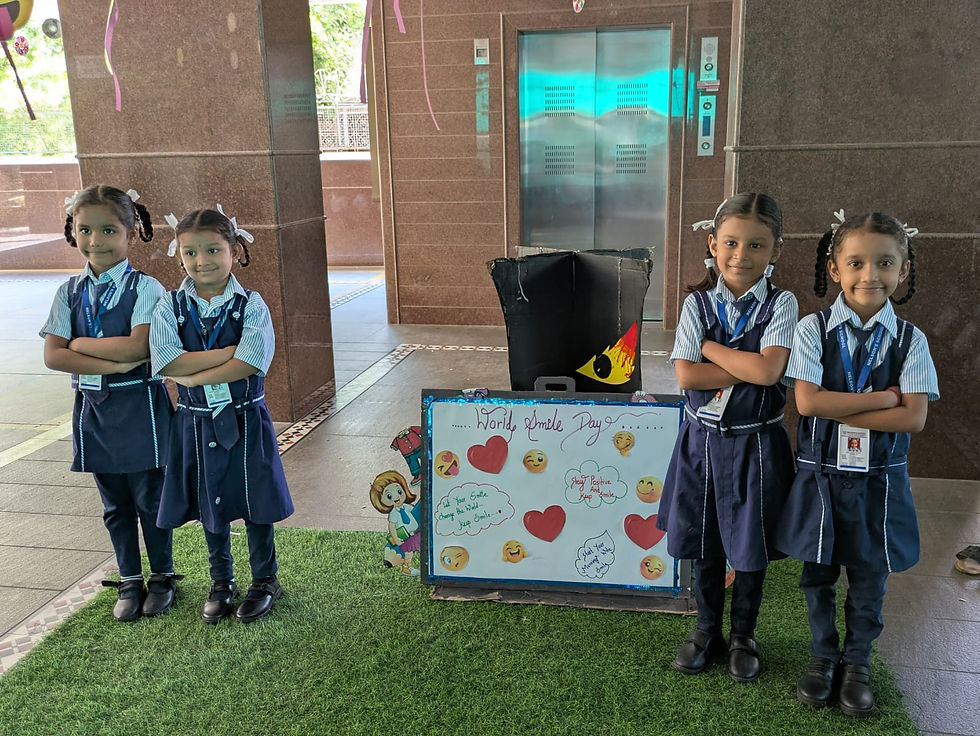
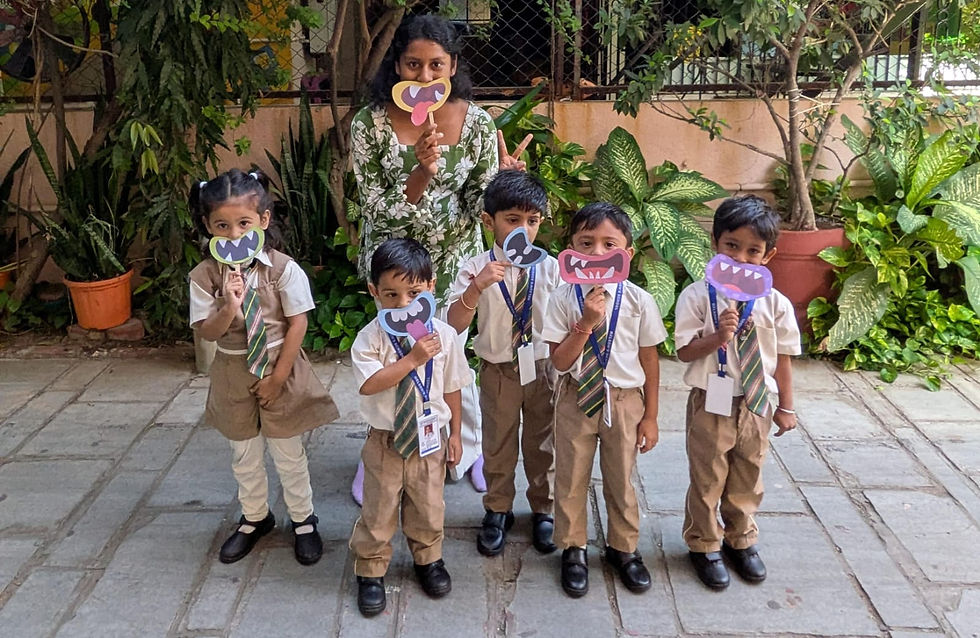
A smile may be one of the simplest expressions, yet it has the power to make a moment brighter, a friendship warmer, and someone’s day a little happier. On the occasion of World Smile Day 2026, Nelson’s School Pre-Primary embraced this beautiful message by celebrating the joy of smiling, kindness, friendship, and togetherness with its young learners. The World Smile Day Celebration at Nelson’s School was a cheerful and meaningful opportunity for children to understand that happiness is something we can share with others every day. Through a joyful school experience, the young learners were encouraged to appreciate the importance of a smile and discover how simple acts of kindness can make people around us feel happy, welcome, and cared for.
For little children, learning is not limited to books and classrooms. Their early years are also a time when they develop social skills, emotional awareness, confidence, empathy, and positive habits. Celebrations such as World Smile Day bring these important lessons to life in a simple, engaging, and child-friendly way.

The Joy and Power of a Smile Can Make Anything Better
A smile does not need words to communicate a beautiful message. It can express happiness, friendship, warmth, appreciation, care, and positivity. For young children, a smile can also be a wonderful way to connect with classmates, greet teachers, welcome friends, and show affection towards the people around them.
The Importance of Smiling for Children goes beyond simply looking cheerful. A positive expression can help create a friendly atmosphere where children feel comfortable interacting with others. A warm smile can make someone feel welcome, encourage friendship, and create a more positive classroom environment.
During the World Smile Day Celebration for Children, the young learners were encouraged to understand that happiness becomes even more meaningful when it is shared. A smile given to a friend, a kind word spoken to someone, or a helping hand offered to another person can create a positive impact. This is the simple beauty behind World Smile Day for Kids—teaching children that they have the ability to spread happiness through small, thoughtful actions.
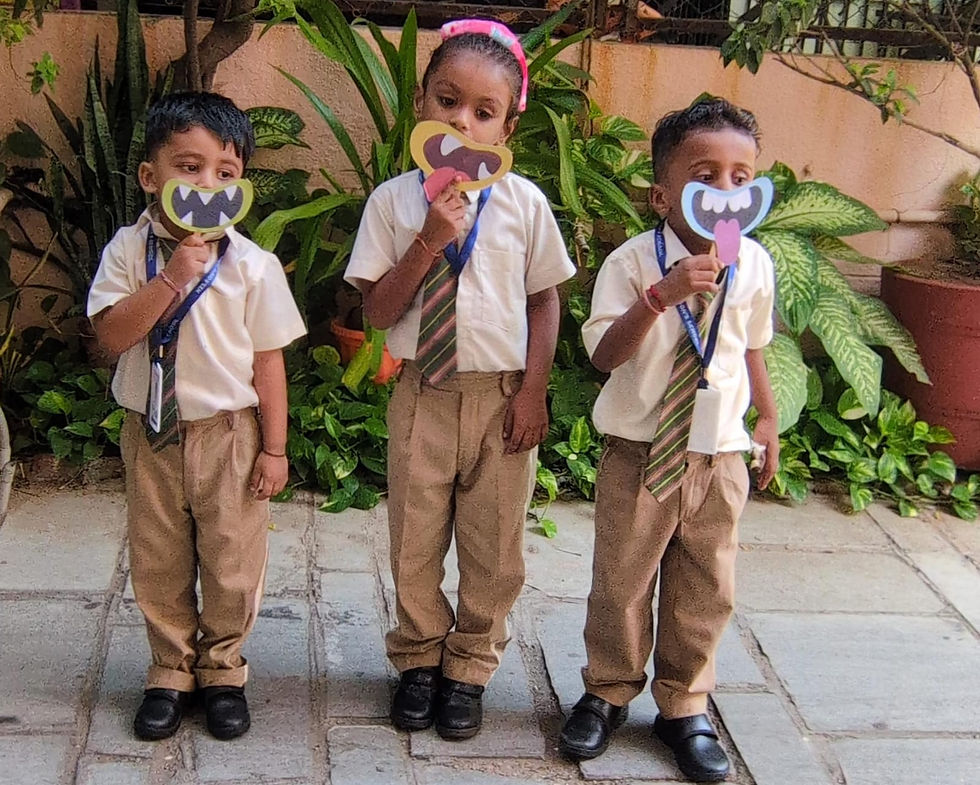
Learning Happiness and Kindness Through Experience
The World Smile Day Celebration at Nelson's School provided an opportunity to introduce young learners to important social and emotional values in an age-appropriate manner. Children gradually learn how their words, expressions, and actions can affect others. Values such as kindness, sharing, caring, friendship, empathy, respect, gratitude, and helping others are important building blocks of healthy relationships. When children learn these values from an early age, they become better prepared to communicate positively and understand the feelings of those around them.
At Nelson’s School , experiences that promote happiness and positive behaviour form an important part of a nurturing learning environment. The celebration encouraged children to understand that being kind does not always require a grand gesture. Sometimes, a smile, a gentle word, a thank-you, or simply including someone can make a meaningful difference. These simple lessons contribute to Social and Emotional Learning and support Emotional Development in Children, helping young learners become more aware of their own feelings and more considerate towards others.
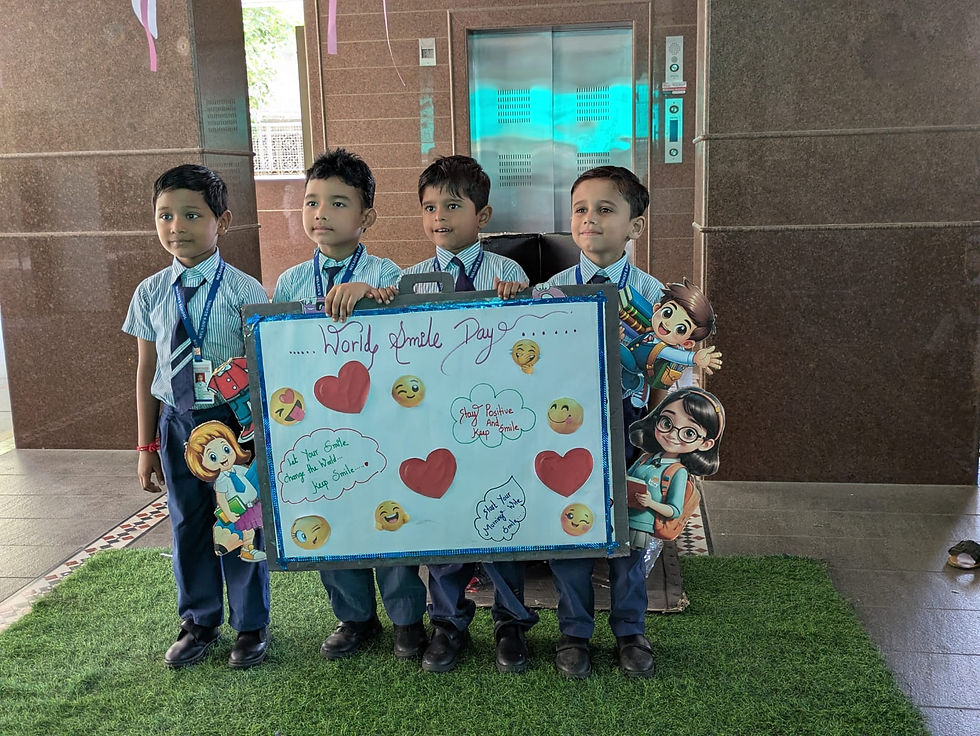
Joyfully Learning about World Smile Day for Our Young Minds at Nelson's School
Young children learn best when they can experience ideas in an enjoyable and meaningful way. Joyful learning activities and child-friendly celebrations allow children to explore important values naturally while enjoying their time at school.
World Smile Day offered a cheerful setting in which children could express themselves, interact with their friends, and experience the happiness that comes from positive relationships. Such Nelson's School activities can encourage communication, confidence, emotional expression, creativity, friendship, and positive thinking.
Celebrations also help make learning memorable.
When a child experiences kindness, happiness, and togetherness in a positive school environment, the lesson can become more meaningful than a simple explanation of what kindness means. This approach reflects the importance of early childhood education, where academic readiness goes hand in hand with social, emotional, and personal development.
The message of World Smile Day extends far beyond one celebration. It is a reminder that every person has the ability to make another person's day brighter.
For children, happiness can begin with something as simple as a smile. A smile can lead to a conversation, a conversation can lead to friendship, and friendship can create a sense of belonging.
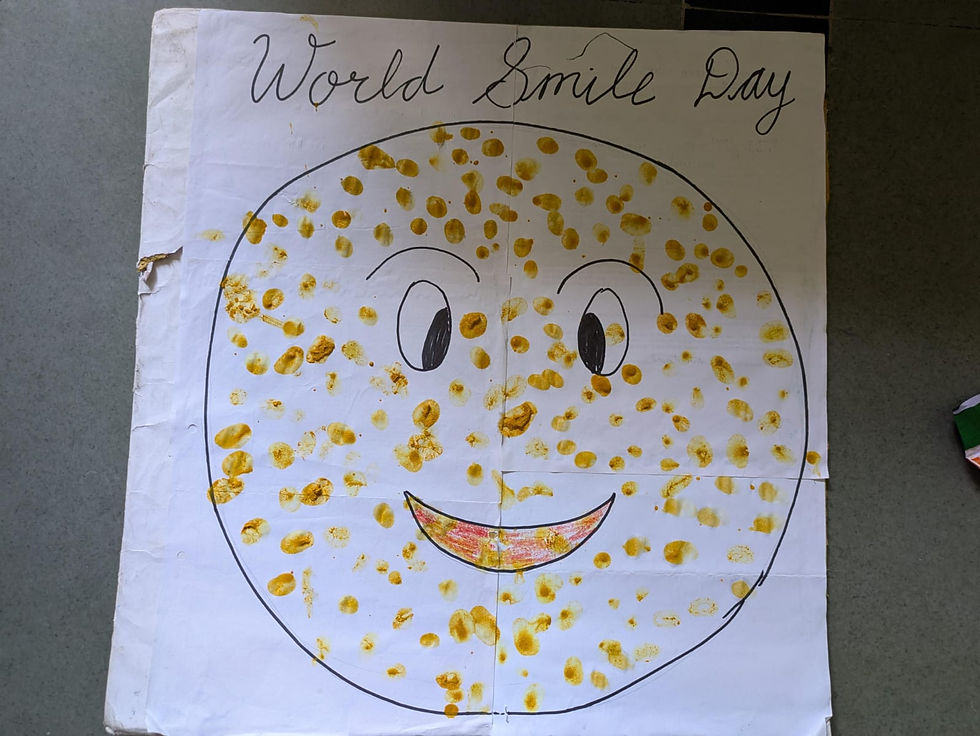
Building Positive Habits and Manners from an Early Age
Childhood is an important stage for developing habits and attitudes that can influence behaviour as children grow. Encouraging children to smile, share, help, listen, respect, and care for others can help establish meaningful positive habits for kids.
The World Smile Day celebration reminded young learners that positivity can begin with very small actions.
A child can spread happiness by:
Smiling at a friend.
Greeting teachers and elders respectfully.
Saying “Please” and “Thank You.”
Sharing with classmates.
Helping someone who needs support.
Comforting a friend who feels sad.
Including everyone during play.
Appreciating another person.
Speaking gently and kindly.
Showing gratitude for the people around them.
Treating others with kindness and gratitude.
Keep working hard everyday and be productive.
Maintain our and others boundaries and respect their space.
These simple behaviors can contribute to a happier and more welcoming environment for everyone.
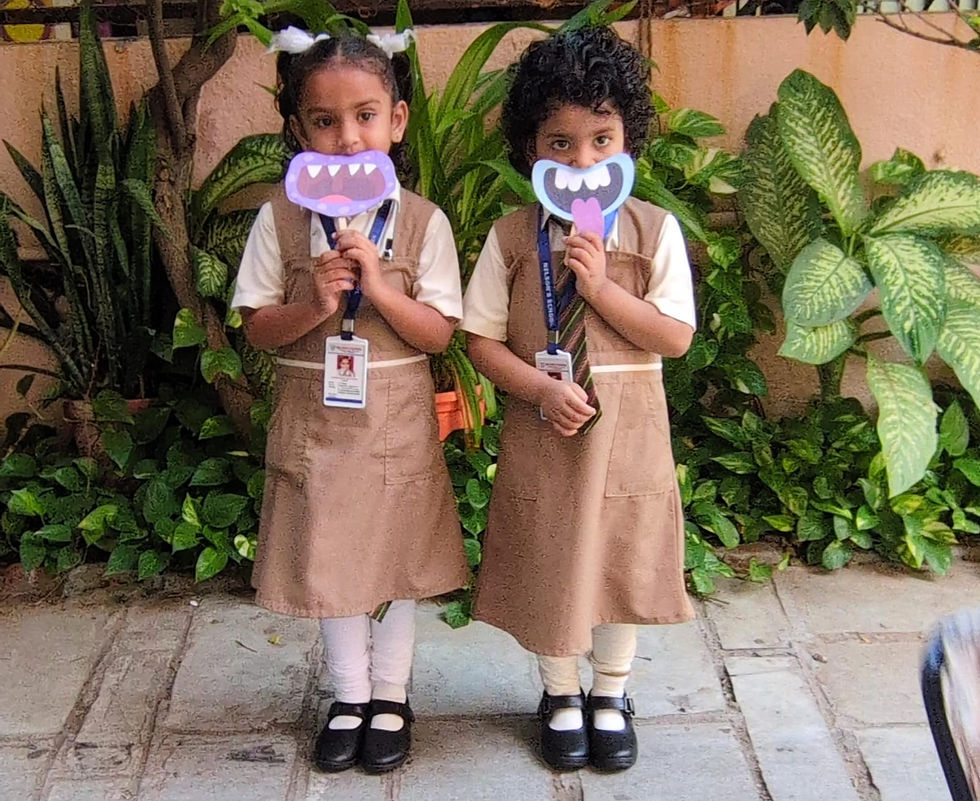
A Smile Can Make Someone’s Day Better and Brighter
One of the most beautiful lessons of World Smile Day activities for Kids is that spreading happiness does not have to be complicated. Children can make a difference through everyday gestures of kindness. A smile can tell a friend, “You are welcome here.” A kind word can make someone feel valued. A helping hand can make a difficult moment easier. A simple “Thank You” can make someone feel appreciated.
When these small actions become part of everyday life, they can help create a culture of kindness and positivity. For young learners, this is also an important part of value-based education for kids. Education is not only about knowing facts and developing academic skills; it is also about learning how to live respectfully, responsibly, and compassionately with others.
The celebration encouraged the young learners of Nelson’s School to look at happiness not simply as something they receive, but also as something they can share with others. This is the heart of happiness and kindness for Kids—helping children discover that their actions matter and that even the smallest act of kindness can have a positive impact.
The Biggest Role is Played by Parents and Teachers
Children learn many of their earliest social and emotional habits by observing the adults around them. Parents and teachers therefore have an important role in nurturing happiness, empathy, kindness, and respectful communication. When adults greet others warmly, express gratitude, help people, listen patiently, and respond with kindness, children naturally observe and learn from these behaviors.
Parents can continue the message of World Smile Day at home by encouraging children to share, help others, appreciate people, and speak kindly. Teachers can reinforce these values through everyday classroom interactions and positive examples. Together, home and school can help children understand that kindness is not something reserved for special occasions—it is a value that can be practiced every day.
A classroom becomes more meaningful when children feel safe, respected, included, and cared for. A positive learning environment can encourage children to participate confidently, communicate openly, and build healthy friendships. At Nelson’s School, celebrations that focus on positive values support the idea that children should experience learning as something joyful, nurturing, and meaningful.
Conclusion: Lets Spread Happiness and Joy to Others and With Our Loved Ones
The World Smile Day 2026 Celebration at Nelson’s School was more than a cheerful occasion. It was a meaningful opportunity to nurture kindness, friendship, positivity, empathy, happiness, and emotional awareness among young learners. Through this celebration, children were reminded that a smile can welcome a friend, brighten a moment, express care, and spread happiness.
These simple lessons can become valuable foundations for positive relationships and responsible behavior as children grow. At Nelson’s School, the journey of education is about nurturing young minds while also helping young hearts learn the importance of kindness, respect, friendship, and compassion. Because sometimes, the smallest gesture can create the biggest happiness.
The World Smile Day celebration beautifully reinforces this approach. It reminds children that school is not only a place to learn letters, numbers, concepts, and skills; it is also a place to learn how to make friends, understand emotions, show respect, and care for others. Such experiences contribute to the development of socially confident and emotionally aware young learners.
"“A smile is small, but the happiness it spreads can be limitless.”


