Nelson's School Spread Awareness Towards Students Regarding World Rabies Day
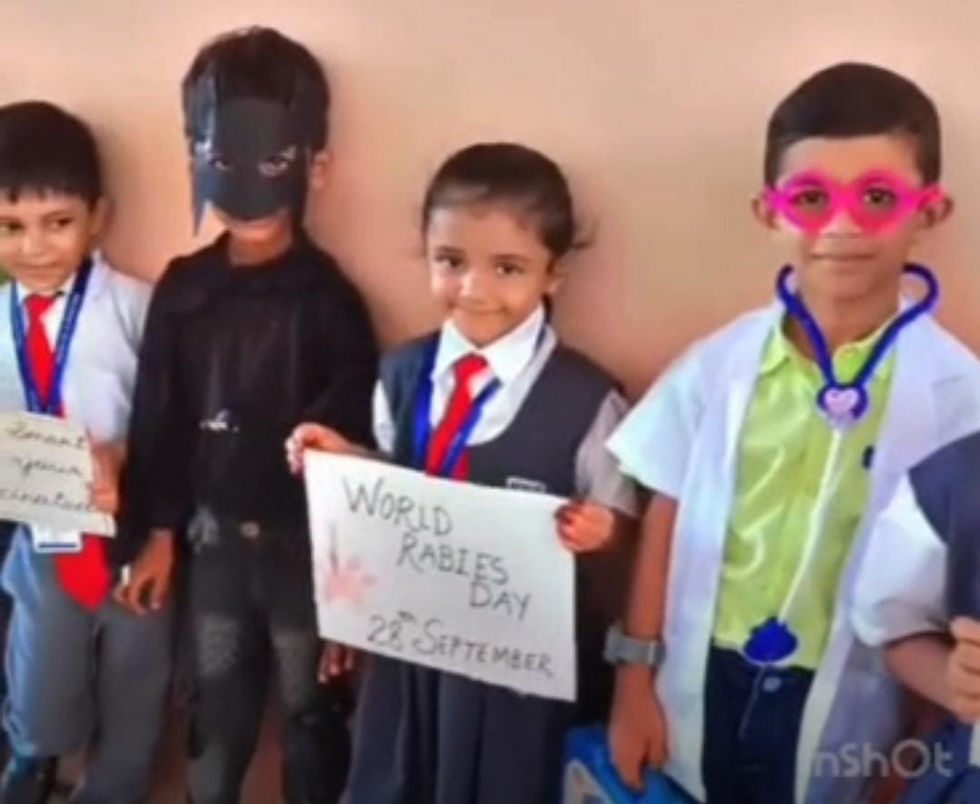
Every living being deserves kindness, care, and respect. On the occasion of World Rabies Day 2026, Nelson’s School conducted an awareness activity for students to help them understand the importance of rabies prevention, responsible animal care, vaccination, safety, and compassion towards animals. Observed every year on 28 September, World Rabies Day is an important global awareness occasion that encourages communities to learn about rabies prevention and the steps that can help protect both people and animals. At Nelson’s School, the occasion became an opportunity to teach children that protecting health and caring for animals can go hand in hand.
Let us Understand World Rabies Day Through Child-Friendly Awareness at Nelson's School
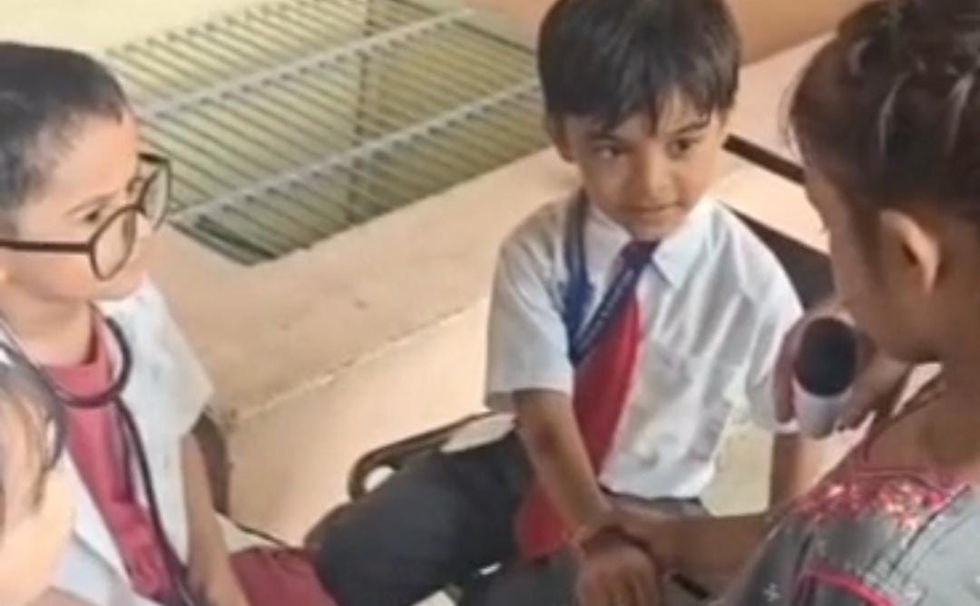
Rabies is a serious disease that can affect mammals, including animals and humans. Awareness and prevention play an important role in reducing the risk of rabies. Vaccination of animals, responsible pet ownership, safe behavior around animals, and community awareness are important parts of rabies prevention. Through World Rabies Day Activities for Students, children were encouraged to understand these messages in a simple and meaningful way. Rather than creating fear of animals, the focus was on developing awareness, responsibility, and safe behavior.
Students learned that animals should never be unnecessarily teased, frightened, disturbed, or hurt. They were encouraged to understand that animals are living beings that can experience pain, fear, affection, and other emotions. This Rabies Awareness for Kids approach helps children understand that kindness and safety can exist together. One of the important messages of the World Rabies Day Celebration at Nelson’s School was the importance of treating animals with kindness, compassion, and respect.
Children were encouraged to behave responsibly around animals and understand that animals should not be treated as objects for entertainment. Whether it is a pet at home or a community animal in the neighborhood, every animal deserves humane treatment.

Why is it necessary to vaccinate pets?
Responsible pet ownership involves much more than providing food, shelter, and affection. It also means taking appropriate care of an animal's health and well-being.
During the awareness programme, students learned about the importance of pet vaccination and why vaccination is an important part of responsible animal care. Pet parents should consult qualified veterinarians and follow the appropriate vaccination and healthcare schedules recommended for their dogs, cats, and other pets.
Rabies vaccination for pets can help protect animals from this serious disease and can also contribute to a safer environment for families and communities. Through pet vaccination awareness, children can also become messengers of responsible pet care. By sharing these lessons with their families, they can encourage pet parents to discuss vaccination and regular veterinary care with qualified professionals. When a child learns to treat a vulnerable animal gently, that lesson can extend beyond animals. It can encourage the child to become more considerate towards people, nature, and the wider community.

Stray and Community Animals Deserve Protection Too
Rabies prevention and animal welfare awareness should not stop with household pets. Stray and community animals are also part of the environment in which people live, and they deserve humane treatment, care, protection, and opportunities to live healthy lives.
An important awareness message shared through the programme was the value of encouraging vaccination and responsible healthcare for stray and community animals.
Communities, local authorities, animal welfare organisations, veterinarians, and responsible citizens can all play meaningful roles in supporting humane animal-care and vaccination initiatives. The goal is not to create fear of community animals, but to encourage responsible and compassionate approaches to stray animal vaccination and community animal vaccination. Teaching children about animal safety from an early age can help nurture important values such as empathy, patience, responsibility, non-violence, and respect for living beings.

Building Compassion Through Education
The World Rabies Day Awareness Programme at Nelson’s School demonstrated how education can extend beyond textbooks and classrooms. Health awareness, animal welfare, responsible pet ownership, and community responsibility are interconnected. By learning about rabies prevention and animal care, students also explored broader values such as compassion, empathy, responsibility, patience, and respect for life.
Such animal welfare activities in school can help children become more socially aware. They learn that their actions matter and that even small acts of kindness can have a huge impact. They should avoid teasing or disturbing animals and should not approach unfamiliar animals without appropriate adult guidance. An injured, frightened, or aggressive animal may behave unpredictably. Children should never try to handle such an animal themselves. Instead, they should inform a parent, teacher, or another trusted adult who can seek appropriate help.
A Message of Kindness for Every Living Being
The World Rabies Day 2026 awareness activity at Nelson’s School was about much more than learning about a disease. It was about understanding the value of kindness, responsibility, safety, compassion, and respect for life. From beloved pets to stray and community animals, every living being deserves humane treatment and care.
Responsible vaccination and awareness can help create healthier and safer communities while compassion can make those communities kinder.
As children grow, the values they learn can shape the way they interact with the world around them. When we protect animals with kindness and awareness, we create a healthier, safer, and more compassionate world for everyone.
"Every animal deserves a chance to live a safe, healthy, and protected life."